If you’ve ever dealt with sciatica, you already know how miserable it can be. One minute your back feels a little tight, and the next you’ve got sharp, shooting pain running from your lower back all the way down your leg. People dealing with sciatica tend to search for anything that might offer some relief. Stretching, ice packs, physical therapy, pain meds, you name it.
Another relief option many consider is spinal decompression therapy. Clinics and chiropractors often recommend it as a non-surgical way to relieve spinal pressure. The question is, can it actually help? Yes. For many people, spinal decompression therapy can make a significant difference in pain relief.
In this post, we’ll explain how spinal decompression helps sciatica, what a session looks like, and when it should be avoided.
Can Spinal Decompression Help Sciatica?
In many cases, yes, spinal decompression can help relieve sciatica symptoms. That said, the results depend heavily on what’s causing the nerve irritation in the first place. Sciatica happens when the sciatic nerve becomes irritated or compressed. This is the largest nerve in the body. It runs from the lower spine through the hips and down each leg. When this nerve is compressed near the spine, pain can radiate along its entire course.
Spinal decompression works by reducing pressure inside the spine. If that pressure stems from disc problems or tight spacing between vertebrae, spinal decompression may help ease the irritation around the sciatic nerve. Some people begin noticing relief after just a few sessions. Others may need several weeks of consistent treatment before their symptoms begin to calm down.
For a small portion of patients, spinal decompression therapy simply doesn’t provide much improvement at all.
How Can Spinal Decompression Help Sciatica?
There are a few specific ways spinal decompression therapy can support individuals dealing with sciatica. The treatment mainly works by reducing pressure and helping improve conditions inside the spine. Let’s explain these in a little more detail:
1. Relieves Pressure on Nerves
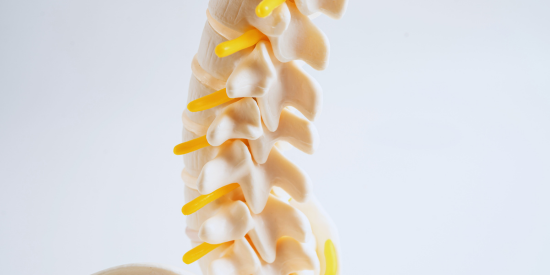
One of the biggest causes of sciatica pain is direct pressure on the nerve roots in the lower spine. When discs compress or vertebrae shift slightly out of alignment, nerves can become pinched. Decompression gently stretches the spine, which can create small gaps between the vertebrae. Even tiny changes in spacing can relieve pressure on the irritated nerve root.
This immediate relief of mechanical pressure often brings down the sharp pain almost instantly during the session. It’s a bit like loosening a tight knot. By giving the nerve a little more room, symptoms can begin to calm down.
2. Retracts Bulging or Herniated Discs
Disc problems are a common cause of sciatica. Two common conditions that often present are herniated and bulging discs. In both cases, the soft inner portion of the spinal disc pushes outward. This bulge can press against nearby nerves, causing intense pain.
Spinal decompression helps create negative pressure inside the disc space. This change in pressure may encourage the disc material to move slightly back toward its normal position. When the bulging disc pulls away from the nerve, this often results in a decrease in pain.
Although the shift tends to be small, sometimes a small change is all it takes to ease nerve irritation.
3. Promotes Nutrient Flow
Spinal discs don’t have a direct blood supply like many other tissues. Instead, they rely on changes in movement and pressure to move nutrients in and waste products out. Decompression therapy alternates between stretching and relaxing the spine. This cyclic motion can help circulate fluids around the discs, bringing oxygen and nutrients into the area.
Better circulation doesn’t instantly correct disc problems, but can support healing and reduce inflammation over time.
4. Improves Mobility and Space
Tight muscles, compressed joints, and limited movement are often what make sciatica worse. When the lower back is stiff or tense, the surrounding tissues can become more sensitive to stress. By gently stretching the spine, decompression therapy may improve flexibility and mobility. People often report feeling less tight after sessions, which can make everyday movement feel easier.
Increased mobility also helps reduce repeated irritation of the sciatic nerve.
What Sciatica-Causing Conditions May Decompression Help?
Spinal decompression tends to work best when sciatica stems from disc or structural problems in the spine. These issues create pressure that the therapy is designed to relieve.
Some of the more common causes of sciatica include:
- Degenerative Disc Disease
- Spinal Stenosis
- Bulging or herniated discs
- Mild disc compression or disc thinning
In these situations, decompressing the spine can create more room for nerves and discs. This extra space often results in reduced irritation.
On the other hand, sciatica caused by severe spinal instability or certain structural abnormalities might not respond as well. In such cases, different treatments are usually more effective.
What is a Spinal Decompression Treatment Session Like?
A typical spinal decompression appointment is pretty simple and relaxed. There’s no surgery, no injections, and no recovery time afterward. First, the patient lies down on the decompression table. A harness is placed around the hips or lower torso to keep the body secure.
Once everything is positioned correctly, the machine begins its programmed traction cycles. The table slowly stretches the spine for a short period, then relaxes it again. This cycle repeats throughout the session. The movement is gradual and controlled, so most people feel a gentle pulling sensation, or traction, rather than pain.
Many patients describe the experience as surprisingly comfortable. Some even fall asleep during treatment! Sessions usually last around half an hour. Depending on the condition being treated, doctors might recommend anywhere from 10 to 30 visits spread over several weeks.
How Long Does it Take to Feel Results?
One of the most common questions people ask about Spinal Decompression Therapy is how quickly they will feel results. The answer can vary quite a bit from person to person.
Some patients notice improvement within the first few sessions. The pain may not disappear completely right away, but the intensity can start to drop. Others can take longer, especially if the disc irritation has been present for months or even years.
Most treatment plans involve multiple sessions spread across several weeks; this is because decompression therapy works gradually. Each session gently stretches the spine and helps relieve pressure on the discs and nerves. Over time, these repeated adjustments can allow the irritated area to settle down. It’s also common for symptoms to fluctuate throughout treatment.
Can I Return to Work After My Appointment?
For the vast majority of people, there’s no downtime involved. You can (hopefully) hop off the table, get in your car, and head straight back to the office or get on with your normal daily activities. In fact, many people schedule their sessions during a lunch break because it is such a painless process.
Just try to avoid strenuous activity, such as moving heavy furniture or attending a high-impact HIIT class, immediately after a session. Your spine is in a state of "reset," so a good strategy for success is to give it a few restful hours to help your back stay relaxed.
Success Rates and What Research Says
Spinal decompression has been studied for several decades, but research results remain somewhat mixed. Some studies show a great improvement in patients with disc-related back pain and sciatica, while others report more modest outcomes.
Several small clinical studies suggest that many patients experience noticeable pain reduction after completing a full course of treatment. Relief rates often fall somewhere around the 70 percent range for carefully selected patients. Still, it’s important to keep realistic expectations.
The effectiveness of spinal decompression therapy depends heavily on the root cause of the nerve compression. When the treatment targets the correct problem, it can be quite effective. However, when it doesn’t, the results may be minimal. Medical imaging, such as MRI scans, often helps determine whether decompression therapy is likely to be effective.
When Spinal Decompression Isn’t Recommended
Even though spinal decompression is non-surgical, it isn’t the right treatment for everyone. Some medical conditions make the treatment unsafe or less effective. Doctors often avoid decompression therapy in cases involving:
- Severe osteoporosis
- Spinal fractures
- Recent spinal surgery
- Metal implants in the spine
- Advanced spinal instability
Pregnancy can also limit the use of decompression equipment in many clinics.
Because of these varying factors, most providers perform a full evaluation before beginning treatment. This evaluation helps confirm that decompression is a safe option for the patient’s specific condition.
Other Treatments for Sciatica
Spinal decompression is just one of several treatment options for sciatica. Many people improve through a combination of therapies rather than relying on a single approach.
Some commonly recommended options include:
- Physical therapy
- Epidural Steroid Injection
- Anti-inflammatory medications (NSAIDs)
- Targeted stretching and strengthening exercises
Physical therapy, in particular, plays a major role in recovery. Strengthening the muscles around the spine helps support proper alignment and reduces stress on the discs. In more severe sciatica cases, surgery may be recommended if nerve compression becomes significant or persistent.
Discover if Spinal Decompression Therapy is Right For You
Sciatica can put you in a world of pain, but you don't have to “just live with it." Spinal decompression therapy offers a non-invasive, non-surgical way to get to the root of the problem by giving your discs the space they need to heal. Spinal decompression therapy is gentle, offers significant relief to many, and just may be the solution that helps you get back to your normal, pain-free self.
If you are tired of the constant sharp pain that is making everyday activities feel downright unbearable, call Cornerstone today at 770-439-7765 to discover if spinal decompression therapy is the right solution for you!